
Learn
Force testing, explained
Plain-English guides to the tests, metrics and science behind force assessment — and how they map to your training and return-to-play decisions.
-

The hip adduction-to-abduction ratio, explained
The adduction-to-abduction (Add/Abd) ratio compares the strength of the hip adductors and abductors. What the research says about it, how to interpret it, and how to track it with GroinMate in ForceMate Cloud.
-
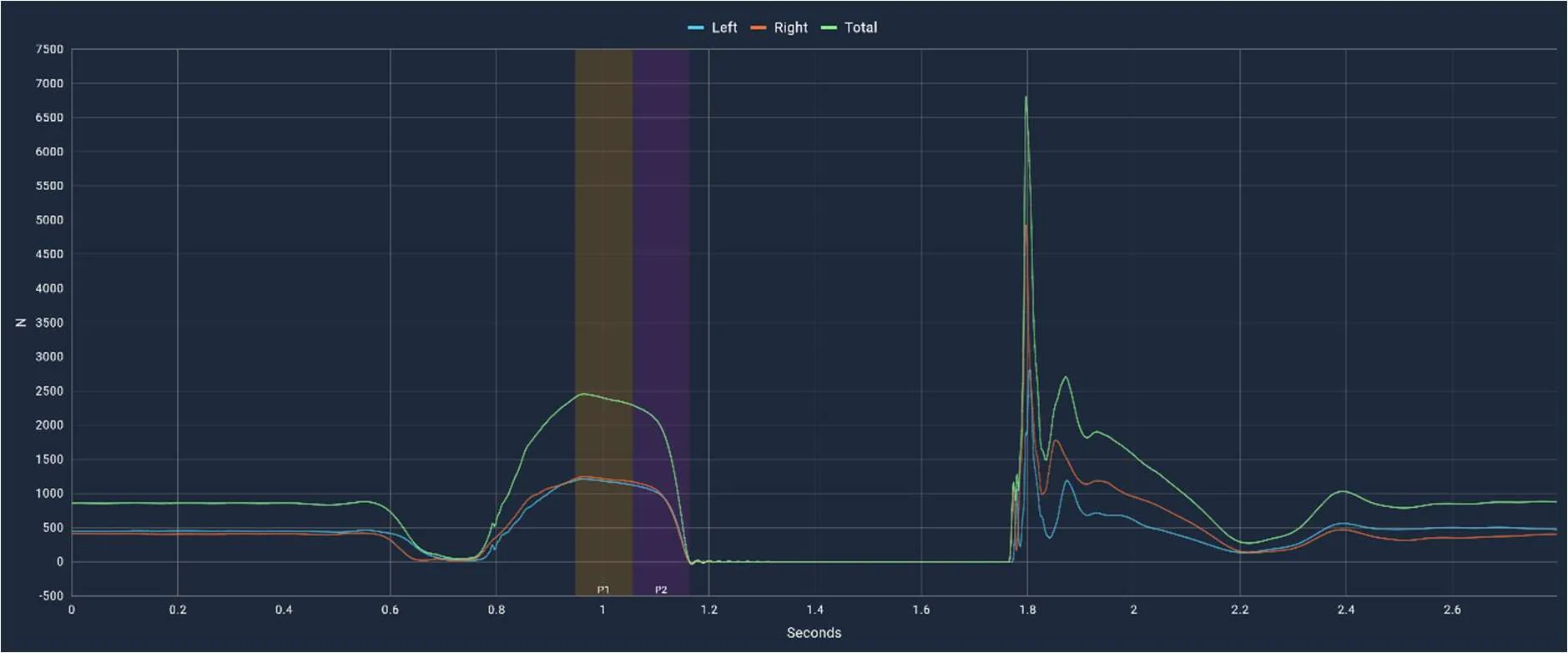
CMJ Force-Time Analysis: More Than Just Jump Height
A countermovement jump tells you more than how high an athlete jumped. How to standardize CMJ testing, which force-time metrics to track, and how to tell a real change from normal variability.
-
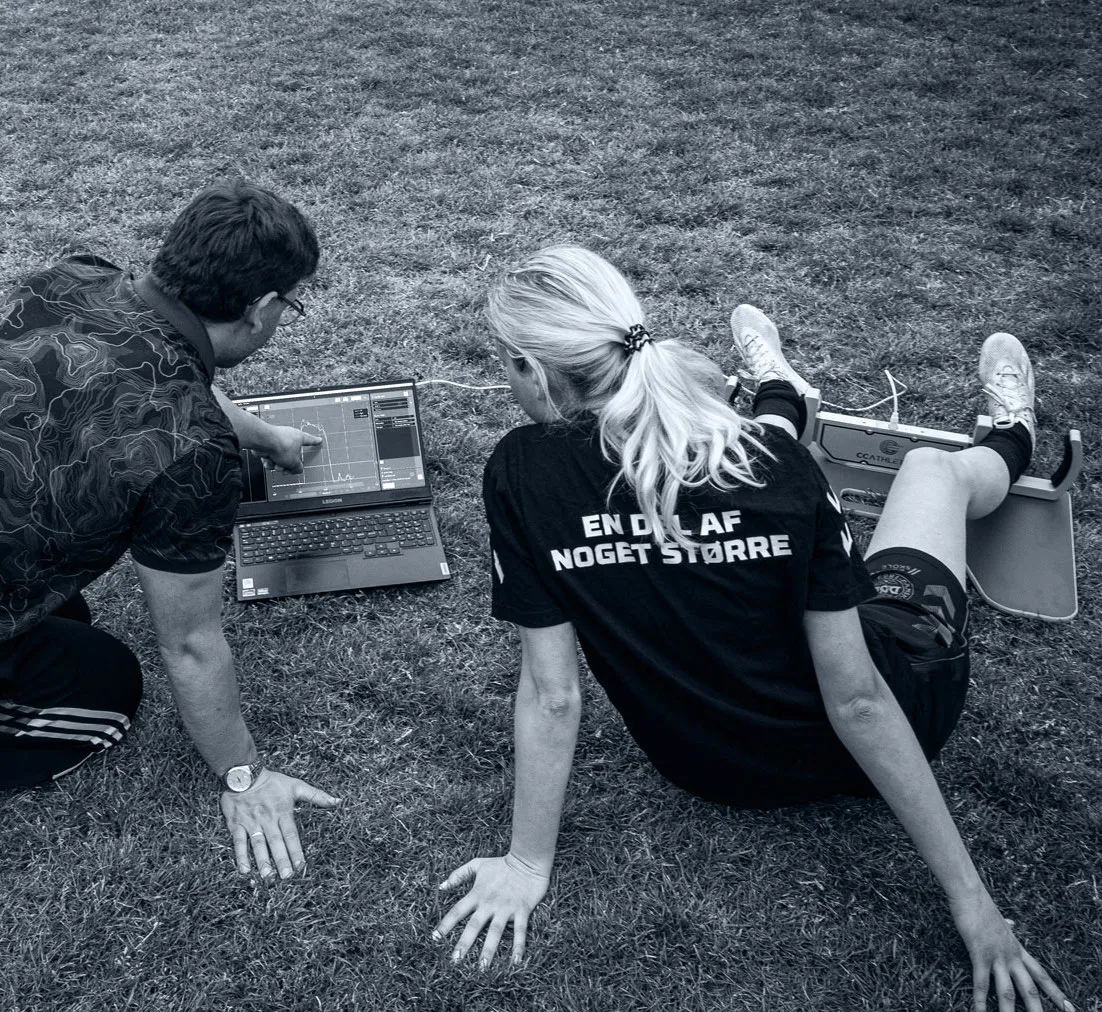
Adductor and groin strength testing, explained
Groin injuries are among the most common in field sport. Here's how adductor strength testing flags risk early, and how GroinMate measures the squeeze test objectively.
-
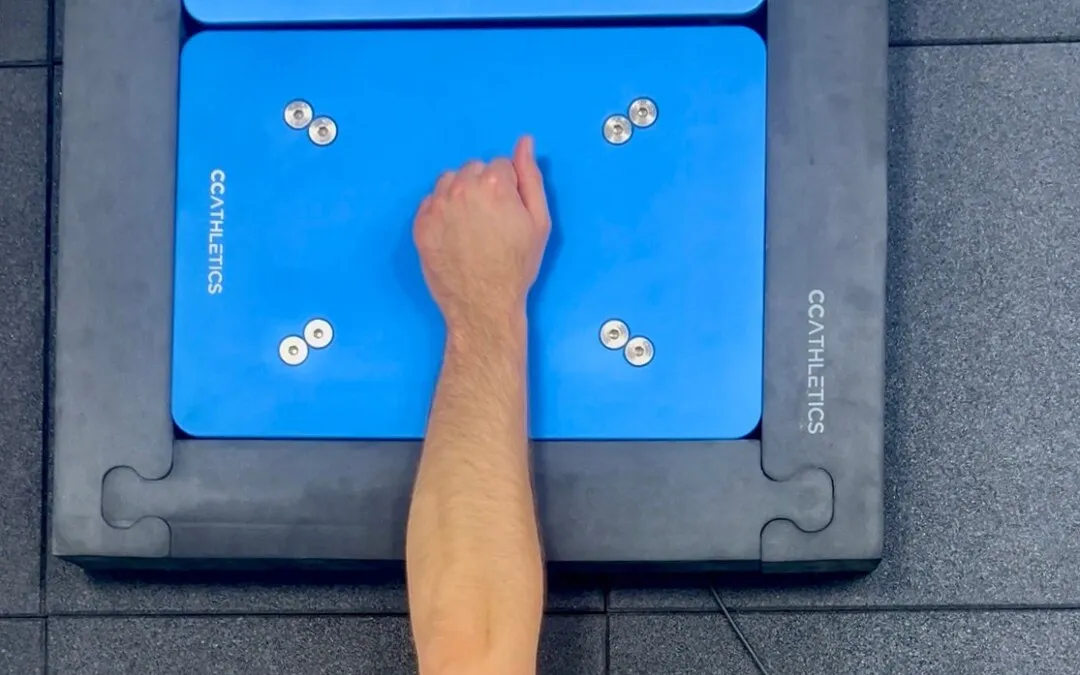
The Athletic Shoulder (ASH) test, explained
The Athletic Shoulder (ASH) test measures shoulder strength on a force plate in three positions. Here's what it is, what it measures, and how to run it.
- The force formula (F=ma), explained
The force formula (F=ma), explained
The force formula is F = ma: force equals mass times acceleration. Here's what it means, how to calculate force, and how a force plate actually measures it.
-
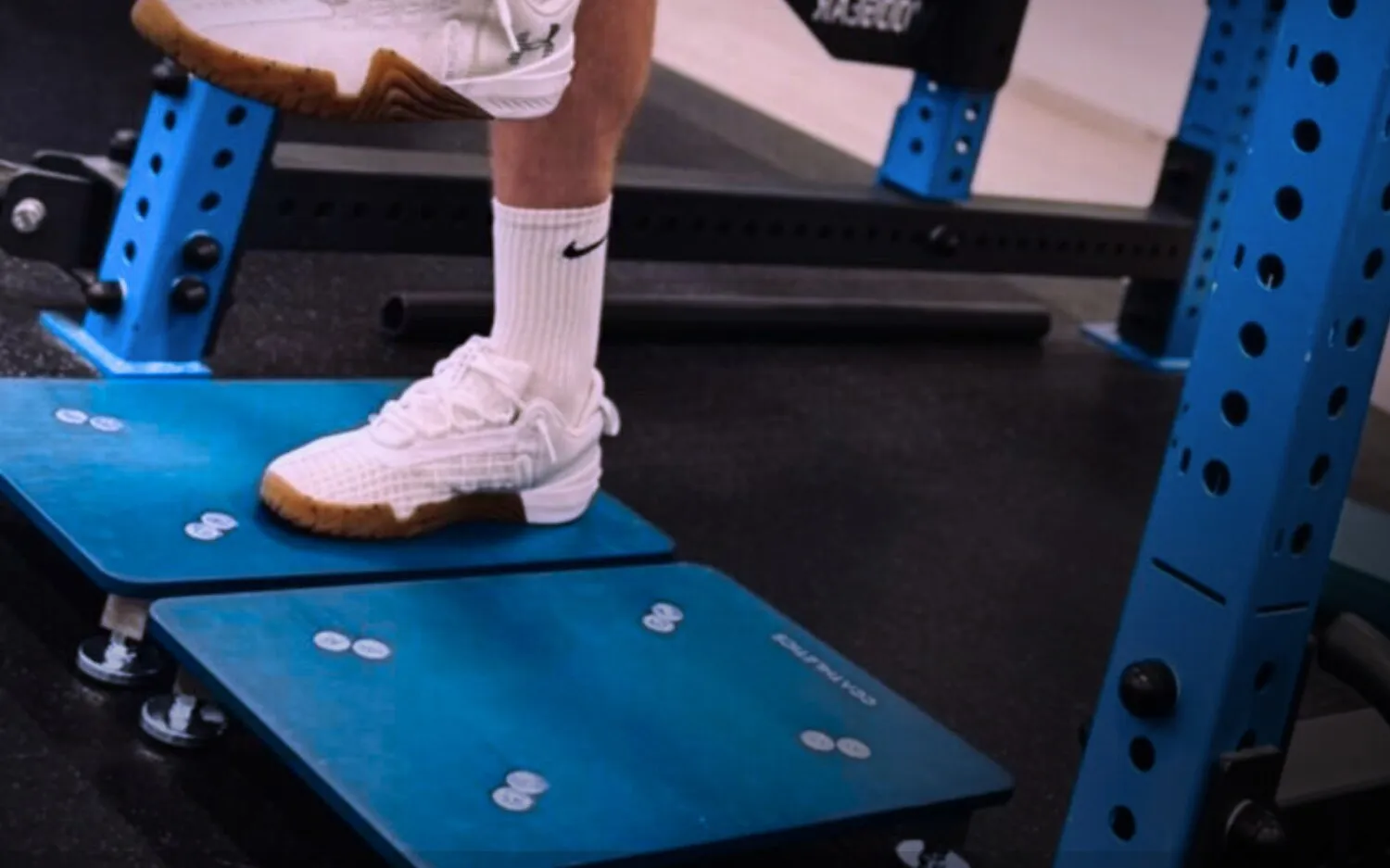
What is force plate testing?
Force plate testing measures the force an athlete puts into the ground to reveal power, asymmetry and readiness. Here's what it is, who uses it, and the tests it covers.
- Rate of Force Development (RFD), explained
Rate of Force Development (RFD), explained
Rate of force development (RFD) is how fast an athlete produces force: explosive strength. Here's what it is, why it matters, and how a force plate measures it.
-
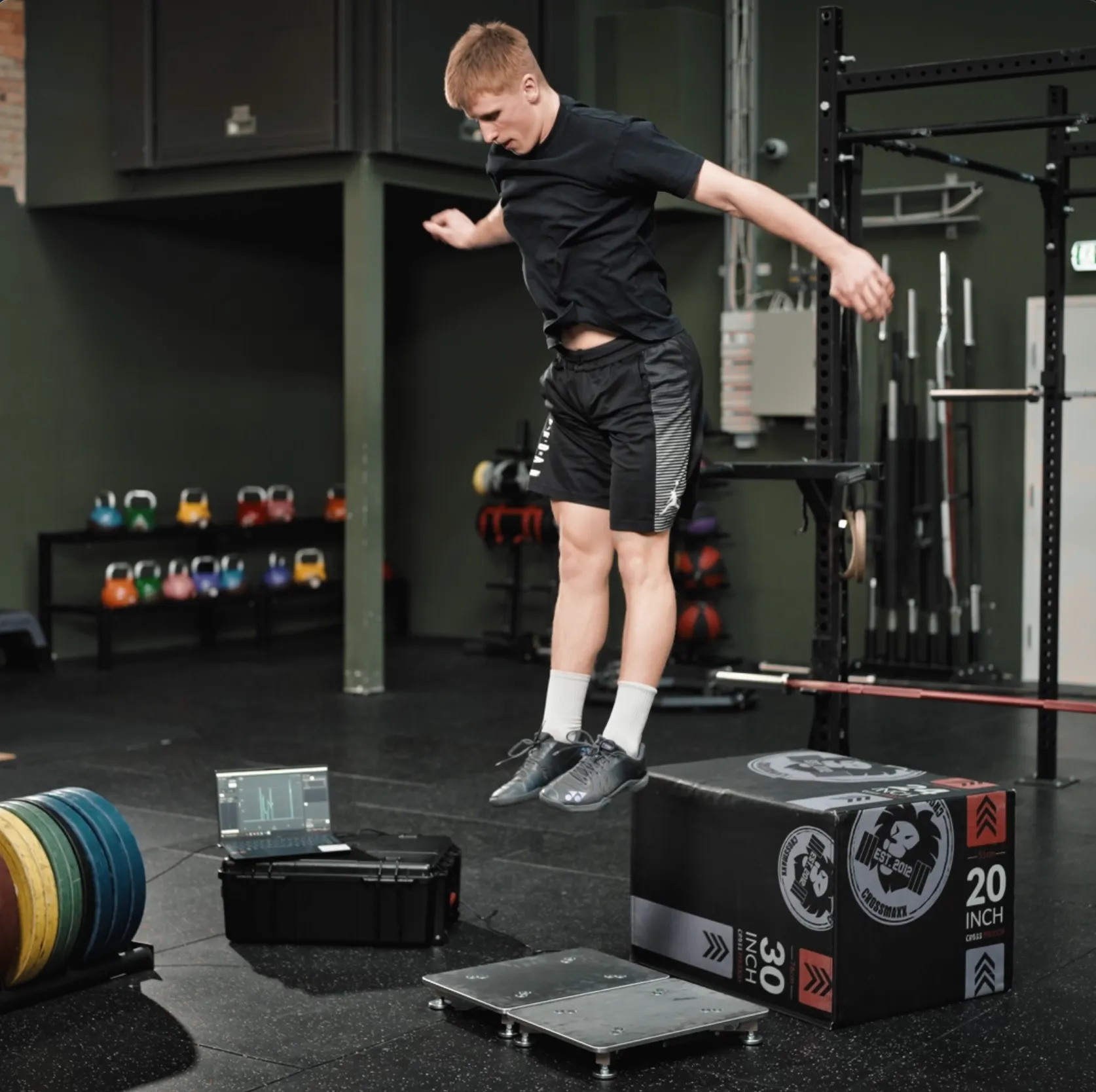
Drop jump test and Reactive Strength Index (RSI), explained
The drop jump test measures reactive strength: how fast an athlete turns a landing into a take-off. Here's how it works, how RSI is calculated, and how to run it.
-
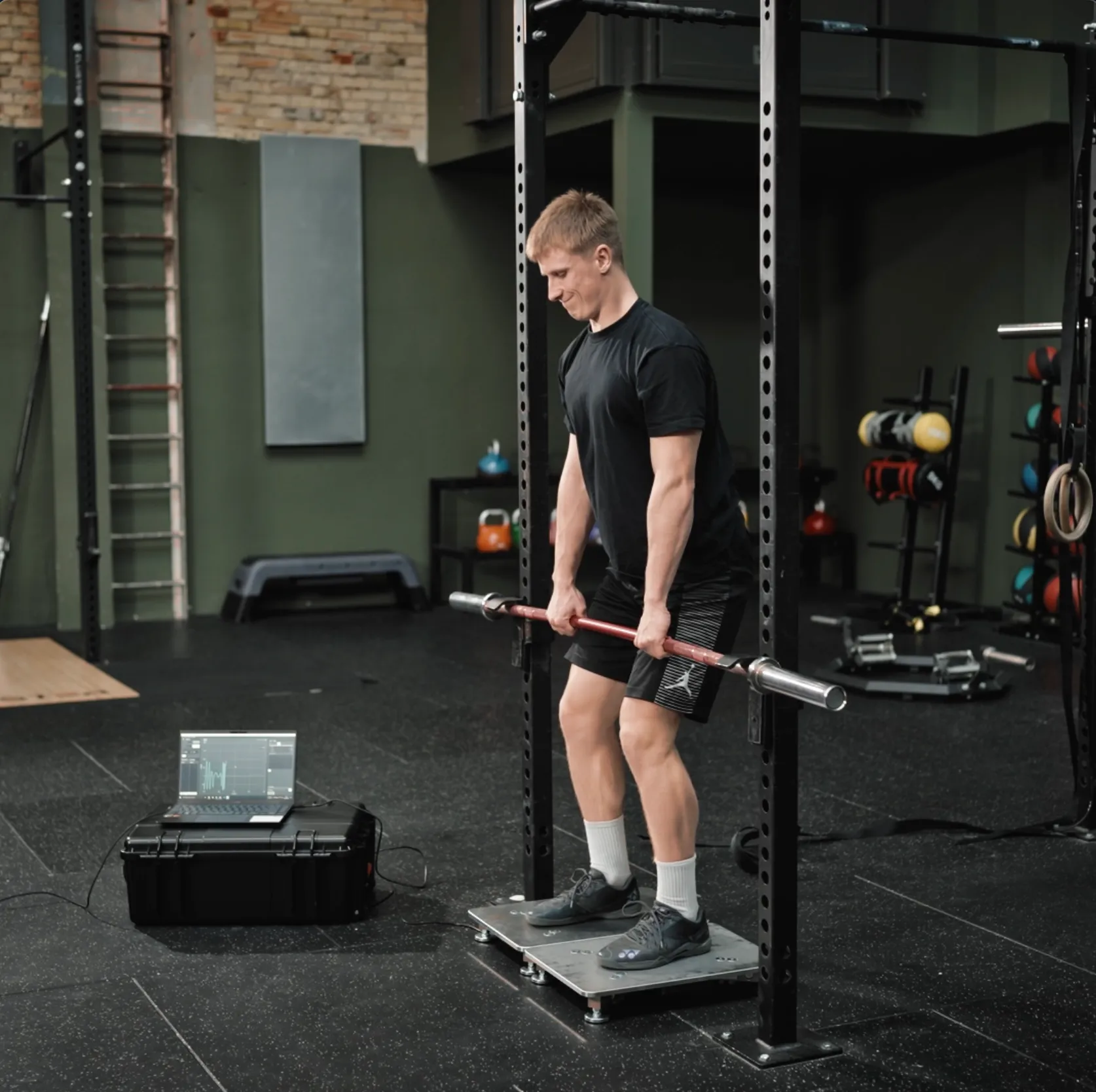
Isometric Mid-Thigh Pull (IMTP): a testing guide
The isometric mid-thigh pull (IMTP) is the standard force plate test for maximal strength. Here's what it measures, why it's isometric, and how to set it up.
-

Countermovement Jump (CMJ): what it measures and how to test it
The countermovement jump is the most widely used force plate test. Here's what it measures, how the plates capture it, and what a good score looks like.
-
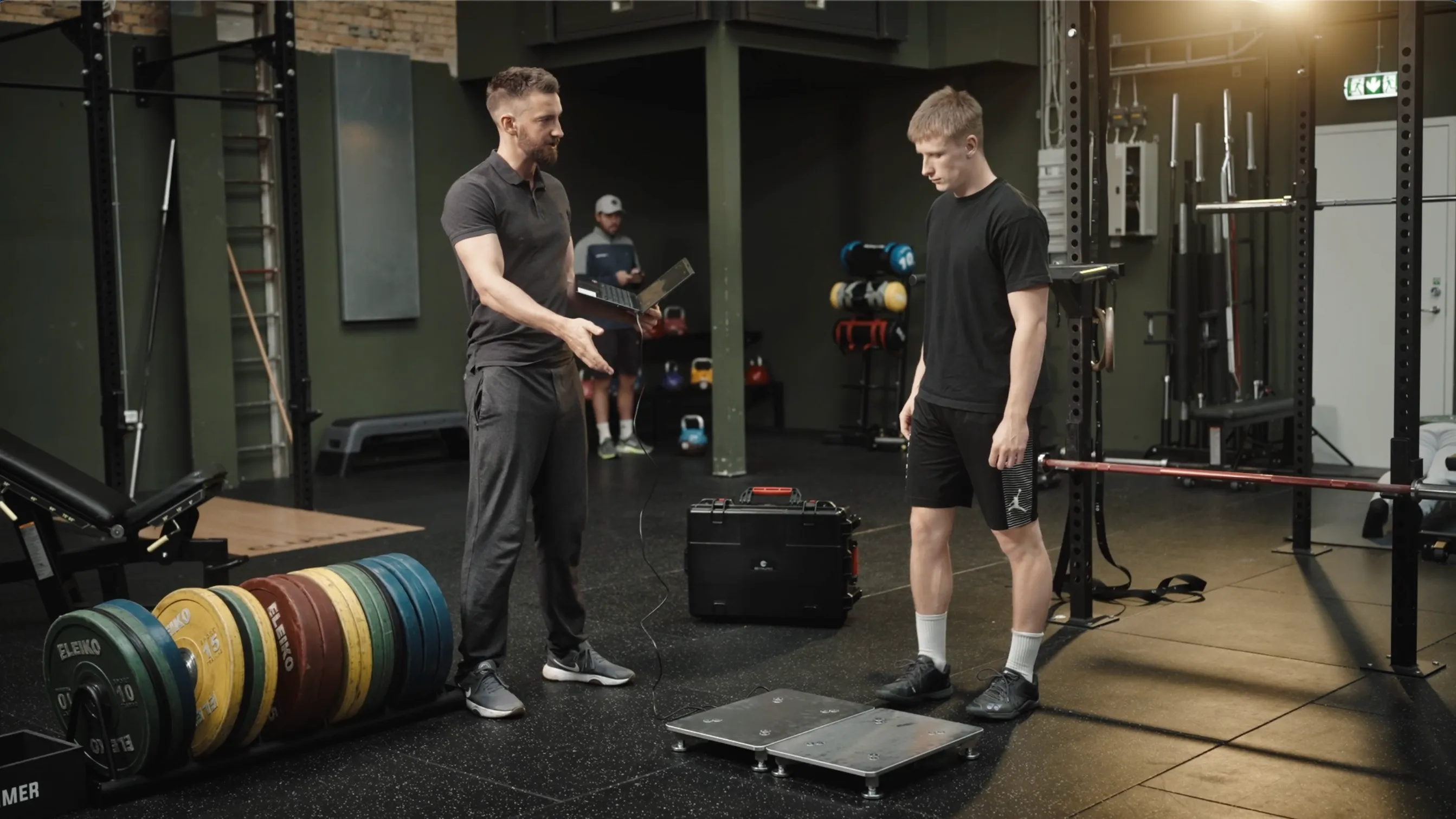
Force Plate Basics: A Beginner's Guide
Force plates have left the lab. What they measure, the metrics worth starting with, the tests you can run, and how to get data you can trust.